


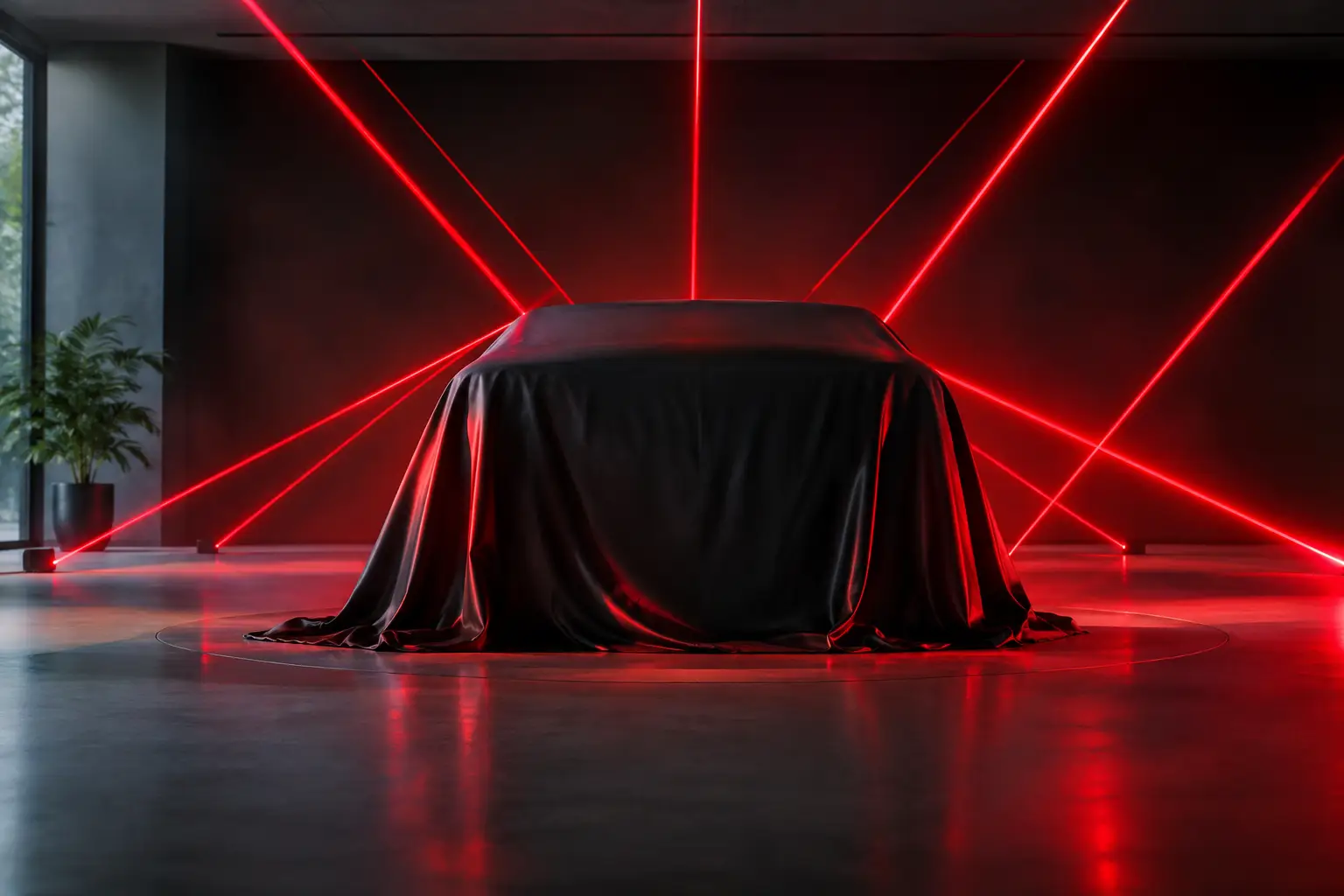
A great reveal does not begin when the laser turns on. It begins in the seconds before it does, when the room goes dark, the music tightens, and every eye is pulled toward one anticipated moment. Knowing how to stage laser reveals means designing that moment with intention: controlling sightlines, timing, atmosphere, power, and safety so the first beam lands like pure visual magic.
For a product launch, concert opener, wedding entrance, or stadium celebration, lasers can turn a simple appearance into a full-sensory event. The difference between a few bright lines in the air and a breathtaking visual spectacle is the production behind the cue.
Start With the Moment You Want the Audience to Feel
A laser reveal is not a fixture test. It is a story beat. Before selecting projector wattage or programming an animation, define what is being revealed and why the audience should care. Is it a CEO stepping onto a stage? A vehicle emerging at a grand opening? A newly married couple entering the reception? A headline artist taking over a festival field?
The strongest reveals have a clear emotional direction. They can build suspense, deliver impact, create celebration, or shift the energy from intimate to explosive. That direction determines every production decision that follows.
For example, a luxury brand may call for a controlled, elegant reveal: deep color, narrow beams, polished geometric architecture, and a slow lift into the hero moment. A touring concert may need the opposite: a blackout, a massive bass hit, high-energy aerial fans, audience scanning effects where permitted and properly engineered, and a wall of color that makes the stage feel larger than life.
Give the reveal a beginning, a hold, and a release. The beginning creates anticipation. The hold lets the audience register what they are seeing. The release carries the energy into the next song, speech, video sequence, or live performance. Without that shape, even powerful lasers can feel like a random effect rather than the peak of the show.
How to Stage Laser Reveals With Timing That Hits
Timing is the engine of every successful reveal. The show should be programmed around a specific cue, not a vague instruction to activate the lasers when the room feels ready. That cue may be a music timecode mark, a lighting console trigger, a video playback frame, a performer’s entrance position, or a stage manager’s confirmed call.
Music-synchronized laser design is especially effective because it gives the audience a rhythm to follow. A slow pre-roll can use subtle beam movement and restrained color. As the track builds, the programming can introduce wider fans, sharper aerial geometry, and brighter color changes. Then, at the exact downbeat, the hero look appears.
The hero look should be unmistakable. Avoid revealing every possible effect before the main cue. If the room has already seen full-power beams, animated graphics, and ceiling-filling fans for two minutes, there is nowhere left to go. Hold back the biggest visual language until it matters.
This is where rehearsal earns its value. A cue that looks perfect on a timeline may feel early when a speaker pauses, late when a performer moves faster than expected, or visually weak when the video wall transitions differently in the actual room. Run the reveal in context with audio, lighting, video, stage movement, and atmospheric effects. The most memorable moments are precisely coordinated, not merely loud and bright.
Build Contrast Before You Build Intensity
Darkness is part of the design. So is silence, restraint, and negative space. A reveal becomes more powerful when it arrives after the audience has been deliberately given less.
That does not always mean a total blackout. At an outdoor municipal event, the right contrast might be a dimmed stage wash while a countdown plays. At a wedding, it might be warm ambient lighting that shifts suddenly to a deep blue room before the entrance. At a trade show, it could be a closed scenic portal that conceals the product until the lasers frame its silhouette.
Think in layers. Start with the environment, then add haze, sound, light, and laser in a controlled sequence. The audience should feel the room changing before they fully understand why.
Give the Beams Something to Live In
Lasers need atmosphere to show their full scale. In clean air, the source point may be visible, but the aerial beam structure that creates the jaw-dropping effect will be limited. A carefully managed haze level gives color, movement, and dimensionality to every cue.
Haze is usually the better choice for refined event production because it creates a more even, longer-lasting atmosphere than bursts of fog. The goal is not to fill the room with clouds. It is to create a transparent canvas where laser beams can travel cleanly across the space without obscuring guests, performers, décor, or cameras.
Venue conditions matter. HVAC systems, open loading doors, outdoor wind, ceiling height, and room size all affect how haze behaves. A ballroom with powerful air handling may require continuous, subtle haze management. An outdoor concert can demand higher-powered laser systems and a different visual approach because atmosphere is harder to control.
A site review identifies these variables early. It also reveals whether beams will be blocked by truss, chandeliers, scenic pieces, cameras, or sightlines from premium seating. The laser design should fit the room, not fight it.
Match Laser Power and Placement to the Scale
A reveal designed for 80 guests in a private venue should not be built like a reveal for 8,000 festivalgoers. The desired effect, ambient light, throw distance, atmospheric conditions, and viewing area all influence the system required.
High-powered RGB projectors deliver the saturated red, green, and blue color needed to create vivid aerial effects, graphics, logos, and large-scale beam architecture. For intimate indoor moments, a properly specified system can create a dramatic canopy without overpowering the room. For arenas, stadiums, city celebrations, and large outdoor fields, laser power may need to scale dramatically to remain visible against distance and ambient light.
Placement is equally critical. Front-of-house positions can create broad audience-facing architecture and polished projection angles. Upstage positions can make a performer or product appear to emerge from a field of light. Elevated truss locations create massive overhead fans and tunnels. Side positions add depth, but they need careful planning to prevent obstructed views or unwanted light on scenic elements.
The best answer is often a multi-position design. One projector can establish the main visual statement, while additional units add width, depth, and movement. More equipment is not automatically better, however. A focused design with clean angles and an intentional color palette can feel more premium than a crowded room full of competing beams.
Design the Reveal Around the Hero, Not the Equipment
The laser should point attention toward the person, product, or moment being revealed. It should never make the audience wonder where to look.
For an artist entrance, use laser corridors, fans, or a rear-stage burst that frames the performer’s path. For a product reveal, build a silhouette first, then use laser animation or aerial sweeps to pull the eye toward the object as the scenic cover opens. For a branded event, project the logo only when it can be read clearly and given enough screen time to register.
Color is a powerful directing tool. A single-color build can create tension, while a full RGB explosion signals release. Crisp white or blue can feel futuristic and technical. Warm gold and magenta can feel celebratory. Saturated red creates urgency and impact, but it can also dominate cameras and scenic finishes. Test color against wardrobe, LED walls, décor, and broadcast requirements before show day.
Do not overlook the audience’s first angle. The executive walking onstage may see a different picture than guests seated at the sides. A reveal that works from center front can disappear from the balcony or become obstructed by scenic elements. Professional previsualization, on-site focusing, and cue rehearsals help ensure the effect reads across the room.
Safety Is What Makes the Spectacle Possible
High-impact laser production demands experienced, compliant operation. These are powerful optical systems, not plug-and-play party lights. Every show must be designed around safe beam paths, venue conditions, audience locations, aircraft considerations for outdoor events, and applicable regulatory requirements.
A licensed and insured laser production team evaluates projector positions, termination points, physical barriers, scanning parameters, emergency controls, and operator access. If audience scanning is part of the creative concept, it requires specialized design, calibrated equipment, and approved operating practices. It should never be improvised.
Safety planning does not reduce the WOW factor. It protects it. When the system is engineered correctly, the audience can be immersed in a bold, confident visual environment while the production team maintains control of every cue. That confidence is especially valuable for municipal events, venues, corporate teams, and touring productions that cannot afford an avoidable interruption.
Rehearse the Human Side of the Cue
The reveal may be programmed, but people still make it happen. The stage manager needs a clear call. The audio team needs to know the exact musical trigger. Lighting, video, automation, talent, and security should understand their role in the sequence.
Write the cue in plain language before translating it into console actions: house lights fade, video countdown ends, stage doors open, laser build begins, talent reaches mark, music drops, hero laser look fires, camera takes wide shot. That clarity prevents confusion when the pressure is highest.
Then build a backup plan. If the performer is late, can the build loop naturally? If haze drops because a door opens, can the operator adjust the look? If the video cue fails, does the stage manager have an alternate trigger? A spectacular reveal should feel effortless to the audience because the crew has already considered what could change.
The next time your event needs a signature moment, do not ask only how bright the lasers can be. Ask what you want the room to feel one second before the beams ignite. That answer is where an unforgettable reveal begins.
No responses yet